
EPISODE 57 with guest dr. melissa robinson
Discover how empathy, emotional intelligence, and mental fitness help leaders build stronger cultures, increase trust, and improve performance.
Empathy is often misunderstood as a soft skill, but according to leadership researcher, author, and speaker Dr. Melissa Robinson, it may be one of the most powerful business skills a leader can develop. After experiencing years of toxic leadership that forced her to leave her first career, Melissa dedicated her life to understanding why well-intentioned leaders often create environments where people struggle instead of thrive.
In this episode of The BOLT Podcast, Todd Bertsch and Dr. Robinson explore the connection between empathy, emotional intelligence, psychological safety, and organizational performance. They discuss how leaders can develop empathy as a practical skill, create cultures of trust and accountability, and improve communication without lowering standards.
Whether you’re a CEO, manager, HR professional, or aspiring leader, this conversation provides actionable tools you can apply immediately to strengthen relationships, improve culture, and become a more effective leader.
Watch the Full Episode
Watch Todd Bertsch and Dr. Melissa Robinson discuss empathy, emotional intelligence, leadership, and culture.
Listen to the Podcast Episode
Prefer audio? Listen to the full episode on your favorite podcast platform.


What You’ll Learn in This Episode
- Why empathy is a leadership skill, not a personality trait
- The difference between empathy and sympathy
- How cognitive empathy creates strategic understanding
- Why toxic leadership destroys trust and engagement
- The hidden connection between perfectionism and imposter syndrome
- How to create psychological safety without lowering standards
- Melissa’s four-step self-empathy framework
- Why accountability and empathy can coexist
- How “naming the outcome” makes empathy actionable
- The power of the pause for better leadership decisions
Key Quotes from This Episode
“Empathy is not about feeling. It’s about taking the perspective of the other person.” — Dr. Melissa Robinson
“I would challenge someone to explain to me how strategic understanding is soft.” — Dr. Melissa Robinson
“Empathy is not always very nice, but it is always kind.” — Dr. Melissa Robinson
“You cannot give something to someone else that you don’t first have for yourself.” — Dr. Melissa Robinson
“Empathy and judgment can never exist in the same space.” — Dr. Melissa Robinson
Episode Timestamps
- 00:00 – Introduction and why empathy matters in leadership
- 01:05 – Melissa’s toxic leadership experience and career pivot
- 05:13 – Curiosity as the catalyst for growth and transformation
- 10:13 – Defining empathy and debunking common myths
- 13:50 – Making empathy actionable through perspective taking
- 14:30 – Perfectionism, imposter syndrome, and psychological safety
- 20:22 – The four-step self-empathy framework
- 28:07 – Why empathy is not always nice, but always kind
- 38:49 – Naming outcomes to create alignment and trust
- 41:32 – The power of the pause and mental fitness
- 52:12 – Igniting your spark through purpose and empathy
Empathy as a Strategic Leadership Skill
Many leaders mistakenly view empathy as an emotional or “soft” skill. Dr. Robinson explains that empathy is actually the ability to understand another person’s perspective. When leaders learn to practice cognitive empathy, they gain valuable insight into motivations, fears, and goals, allowing them to communicate more effectively and make better decisions.
Empathy is not about lowering expectations. It is about creating understanding that leads to stronger accountability, trust, and performance.
The Connection Between Empathy, Mental Fitness, and Culture
Leadership starts with self-awareness. Throughout the episode, Todd and Melissa discuss how empathy begins with understanding ourselves before we can effectively understand others.
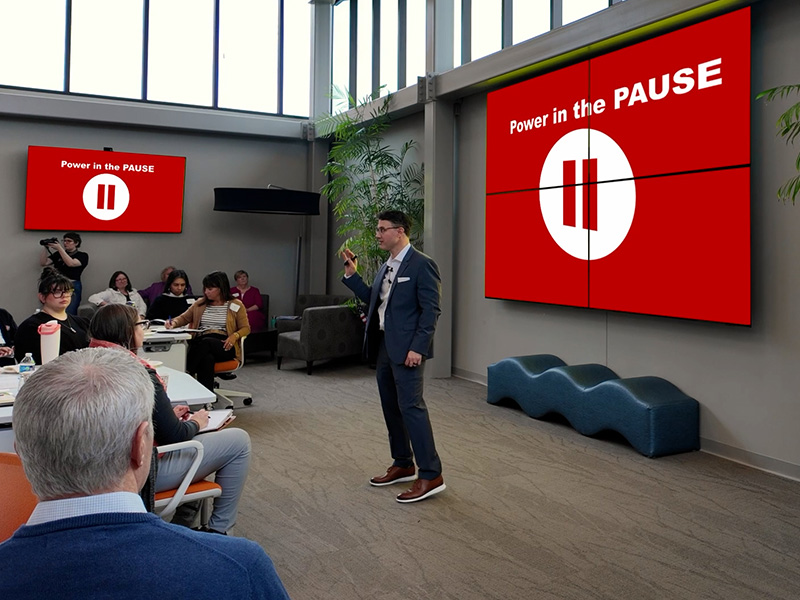
By creating space through intentional pauses, leaders can move from reactive behavior to thoughtful responses. This mental fitness creates greater curiosity, emotional regulation, creativity, and empathy. Over time, these behaviors shape healthier cultures where employees feel safe to contribute, innovate, and grow.
Resources and Books Mentioned
The following books, tools, and resources were mentioned or referenced throughout this episode.
- Scarcity: Why Having Too Little Means So Much by Sendhil Mullainathan
- Positive Intelligence by Shirzad Chamine
- The Empathic Leader by Dr. Melissa Robinson-Winemiller
Frequently Asked Questions
What is empathy in leadership?
Empathy in leadership is the ability to understand another person’s perspective, emotions, motivations, and experiences. Effective leaders use empathy to build trust, improve communication, and create stronger relationships with their teams.
Does empathy make leaders less accountable?
No. Empathy and accountability work together. Empathetic leaders maintain high standards while providing the support, understanding, and communication necessary for people to succeed.
How can leaders develop empathy?
Empathy can be learned and practiced. Dr. Robinson recommends increasing self-awareness, practicing perspective taking, becoming more curious, and intentionally seeking to understand the outcomes and motivations of others.
What is the simplest way to apply empathy at work?
Dr. Robinson recommends asking yourself: “What is this person’s outcome?” Understanding what someone is trying to achieve or avoid helps leaders align goals, improve communication, and respond more effectively.
About Dr. Melissa Robinson
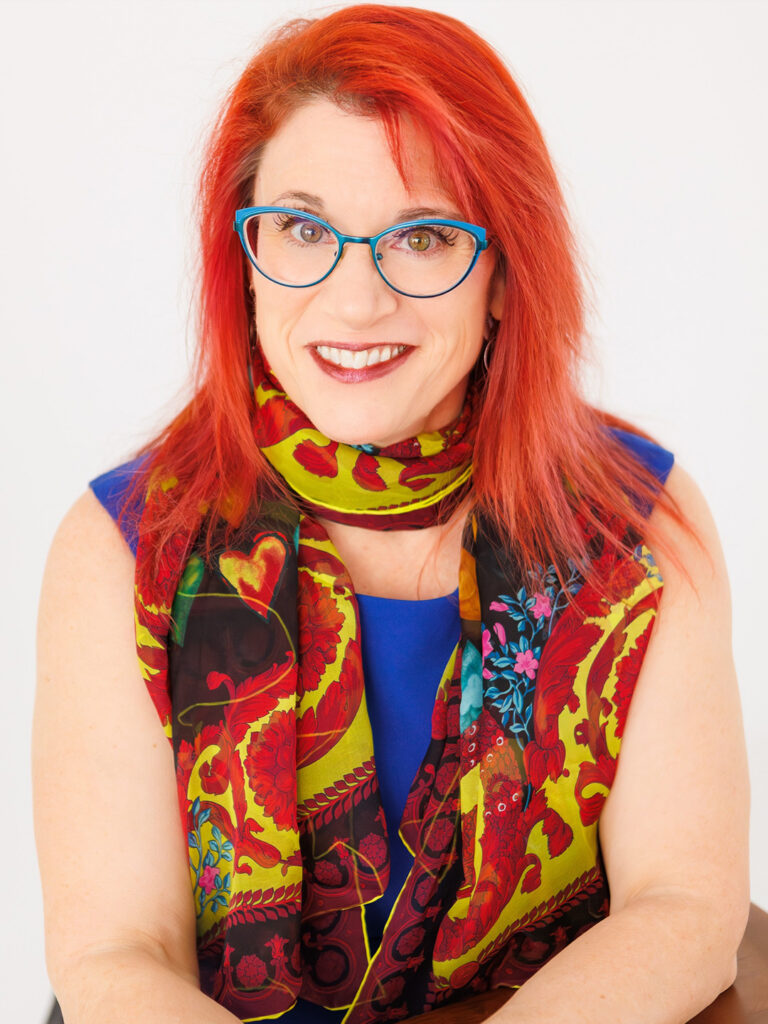
Dr. Melissa Robinson-Winemiller isn’t just talking about leadership: she’s challenging us to do it differently. With over 20 years of cross-industry experience, she helps leaders build emotionally intelligent cultures that don’t just feel better, they perform better. A TEDx speaker, EQ coach, and author of The Empathic Leader, Melissa blends research, real-world insight, and lived experience to make empathy actionable at every level of leadership. She’s on a mission to prove that the so-called “soft” skills are the ones driving the hard results — and the future of leadership depends on them.
Explore More Resources
Continue exploring practical tools, conversations, and frameworks designed to help individuals and organizations navigate change, strengthen mindset, and unlock sustainable growth.

Corporate Keynote Speaking
High-impact keynotes that challenge mindsets, spark meaningful conversations, and help leaders and teams navigate change and uncertainty with greater resilience, clarity, and intention.
Mental Fitness Coaching
Interactive coaching programs built around the Positive Intelligence framework to help teams build the mental muscle to handle stress, shift perspective, and respond with intention instead of reaction.