
EPISODE 68 with guest chris mcclure
Developing Managers Into Effective Leaders
What makes someone a leader people actually want to follow? Seems like a fair question to ask, right? Too often, organizations promote strong performers into management because they are good at their jobs, but never give them the tools to actually lead people. Why are we doing this? The result can be overwhelmed managers, disengaged employees, and missed potential.
In this episode of The BOLT Podcast, Todd Bertsch talks with leadership and strategy coach Chris McClure, author of The Magnetic Leader and The Way to Greatness. Chris shares lessons from more than 30 years of leadership and explains why developing people, knowing your team, and consistently investing in growth are essential to effective leadership.
You’ll learn why one-on-one meetings can be one of a leader’s most valuable tools, how personal development plans create proactive growth, why not every promotion is the right move, and how great leaders balance caring for people with producing results.
Watch the Full Episode
Watch Todd and Chris explore practical ways to develop managers, strengthen employee engagement, and become a leader people genuinely want to follow.
Listen to the Podcast Episode
Listen to the full conversation for practical leadership lessons you can begin applying with your team today.


What You’ll Learn in This Episode
- Why great performers don’t automatically become great leaders
- Why middle managers need intentional leadership development
- How knowing your people makes you a better leader
- Why consistent one-on-one meetings build trust and engagement
- How personal development plans encourage proactive growth
- Why not every promotion is the right career move
- How leaders can identify employee strengths and blind spots
- Why leadership development doesn’t need to be complicated
- How great leaders balance relationships with results
- Why investing in yourself helps you invest in others
Key Quotes from This Episode
“People just want to be cared for. People want to know that somebody truly is in their corner.” — Chris McClure
“If it’s done with them, not just done to them, it changes things.” — Chris McClure
“The thing you’re avoiding the most is the thing you need to grow in the most.” — Chris McClure
“If you’re not producing results at the end of the day, people aren’t gonna follow you either.” — Chris McClure
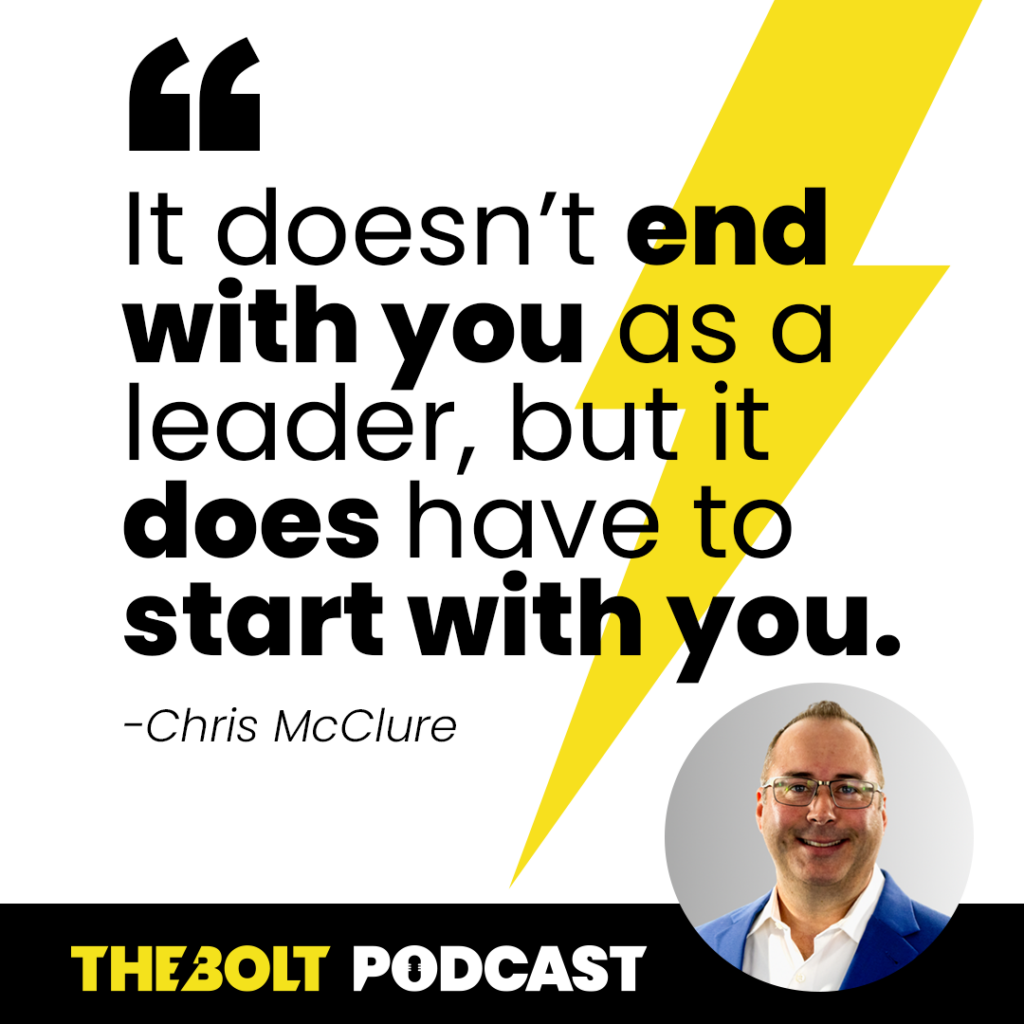
“It doesn’t end with you as a leader, but it does have to start with you.” — Chris McClure
Episode Timestamps
- 00:02 – What makes someone a leader worth following?
- 02:27 – Chris McClure’s journey from pastor to leadership coach
- 09:43 – Why people need leaders who genuinely care
- 16:22 – What makes someone worth following
- 23:09 – Why promoting employees without leadership training fails
- 29:30 – When a promotion is the wrong career move
- 33:12 – How one-on-one meetings develop stronger employees
- 35:28 – Using personal development plans for proactive growth
- 49:57 – What makes a leader magnetic
- 59:52 – Why leadership development starts with you
Why Great Managers Don’t Automatically Make Great Leaders
One of the biggest leadership development gaps happens when a high-performing employee is promoted into management without being prepared to lead people. Technical expertise, tenure, and strong individual performance can make someone valuable to an organization, but those strengths don’t automatically translate into coaching, communication, delegation, or people leadership.
Chris explains why middle managers can easily get overlooked. New employees typically receive onboarding and training, while senior executives may have access to coaches, conferences, and development programs. Managers in the middle are often expected to figure leadership out on their own. We see this all the time in small and big organizations.
Organizations can address this gap by developing leadership skills before and after someone is promoted and by asking an important question before assuming promotion is the right path: Does this person actually want to lead people? If you’ve built that trust with your team, they’ll be honest with you. Sometimes management is not the right role.
How One-on-One Meetings Develop Better Leaders and Teams
Leadership development doesn’t always require an elaborate training program. One of the most practical tools available to any manager is a consistent one-on-one conversation.
Regular one-on-ones give leaders an opportunity to understand employee goals, challenges, strengths, frustrations, and development needs. Chris recommends pairing these conversations with a Personal Development Plan that identifies one or two areas where an employee wants or needs to grow, along with resources and accountability to support that growth.
The key is consistency and intentionality. That means, don’t move the meeting. And don’t reschedule the meeting! When leaders spend meaningful time with their people, they build trust, identify problems earlier, and create opportunities for development before challenges turn into performance issues.
Resources and Books Mentioned
The following books, tools, and resources were mentioned or referenced throughout this episode.
- Becoming a Person of Influence by John C. Maxwell and Jim Dornan
- The 21 Irrefutable Laws of Leadership by John C. Maxwell
- The 7 Habits of Highly Effective People by Stephen R. Covey
- CliftonStrengths assessment
- The Way to Greatness by Chris McClure
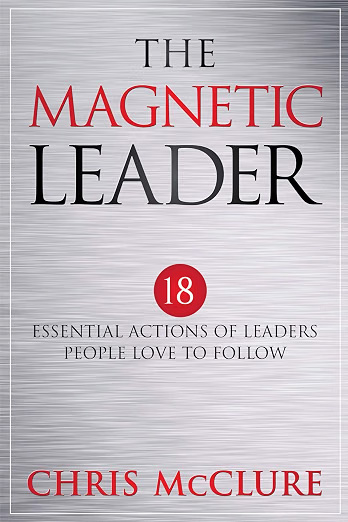
- The Magnetic Leader by Chris McClure
Frequently Asked Questions
What makes someone a leader people want to follow?
Leaders worth following combine competence with genuine care for their people. They listen, stay present, understand the needs of their team, adapt their leadership to the situation, and help others develop. Effective leadership requires both strong relationships and the ability to produce results. Most people just want to be seen and heard. Our greatest gift as leaders is giving them time. Shutting up and listening.
Why do high-performing employees struggle after becoming managers?
Being excellent at a job does not automatically provide the skills needed to lead other people. New managers may suddenly need to coach employees, navigate conflict, communicate expectations, provide feedback, and develop talent without ever receiving training in those areas.
How can organizations better develop middle managers?
Start by intentionally investing in leadership development instead of assuming managers will learn through experience alone. Coaching, leadership training, mentoring, regular feedback, and personal development plans can help managers build the skills they need while they are actively leading teams.
How can one-on-one meetings improve employee engagement?
Consistent one-on-one meetings give employees dedicated time to discuss goals, challenges, development, and concerns with their manager. These conversations help leaders know their people better, build trust, identify problems earlier, and demonstrate that employee growth and well-being matter.
About Chris McClure
Chris McClure is a leadership and strategy coach, as well as the author of The Way to Greatness and The Magnetic Leader, who specializes in helping executives and business owners overcome the frustration of stagnant teams and underdeveloped mid-level employees. With over 20 years of experience as a full-time pastor and more than a decade coaching dozens of corporate clients and teams, Chris equips leaders to unlock growth through investment in their people. As a member of the Maxwell Leadership Certified Team and creator of the Magnetic Leadership System™ and Academy™, he delivers proven frameworks that foster clarity, alignment, and a leadership culture that attracts, inspires, and retains high-quality team members, customers, and clients. Chris’s message is clear: Invest in your people to grow your business.

Explore More Resources
Continue exploring practical tools, conversations, and frameworks designed to help individuals and organizations navigate change, strengthen mindset, and unlock sustainable growth.

Corporate Keynote Speaking
High-impact keynotes that challenge mindsets, spark meaningful conversations, and help leaders and teams navigate change and uncertainty with greater resilience, clarity, and intention.
Mental Fitness Coaching
Interactive coaching programs built around the Positive Intelligence framework to help teams build the mental muscle to handle stress, shift perspective, and respond with intention instead of reaction.