
EPISODE 71 with guest Dr. David Shar
What happens when the work you love starts burning you out?
What happens when the work you once loved starts draining the life out of you? Passion can be a powerful motivator, but when it becomes tied to our identity, external validation, and the pressure to constantly perform, it can lead to burnout, disengagement, and a loss of purpose.
In this episode of The BOLT Podcast, Todd Bertsch sits down with Dr. David Shar, a behavioral scientist, work passion researcher, and lecturer at the University of Maryland. Drawing on his original research into why passionate employees fall out of love with their work. David explores the difference between harmonious and obsessive passion, the warning signs of declining engagement, and how leaders can create workplaces where people thrive.
Together, Todd and David connect the science of work passion with the Ignite Your Spark philosophy, exploring how curiosity, self-awareness, intentional interruptions, and meaningful relationships can help us protect our energy, rediscover fulfillment, and love what we do without losing ourselves in the process.
Watch the Full Episode
Watch Todd and Dr. David Shar explore the psychology of work passion, the hidden dangers of obsessive dedication, and practical ways to create healthier, more fulfilling workplaces.
Listen to the Podcast Episode
Listen to this engaging conversation about burnout, leadership, psychological safety, and the importance of protecting your passion and your spark.


What You’ll Learn in This Episode
- Why passionate people fall out of love with work
- Harmonious vs. obsessive passion
- When passion becomes unhealthy
- The warning signs of burnout and disengagement
- How work and identity become intertwined
- Why belonging and psychological safety matter
- How leaders unintentionally diminish passion
- Leading with kindness and accountability
- The power of pausing and self-reflection
- How to protect your spark and find fulfillment
Key Quotes from This Episode
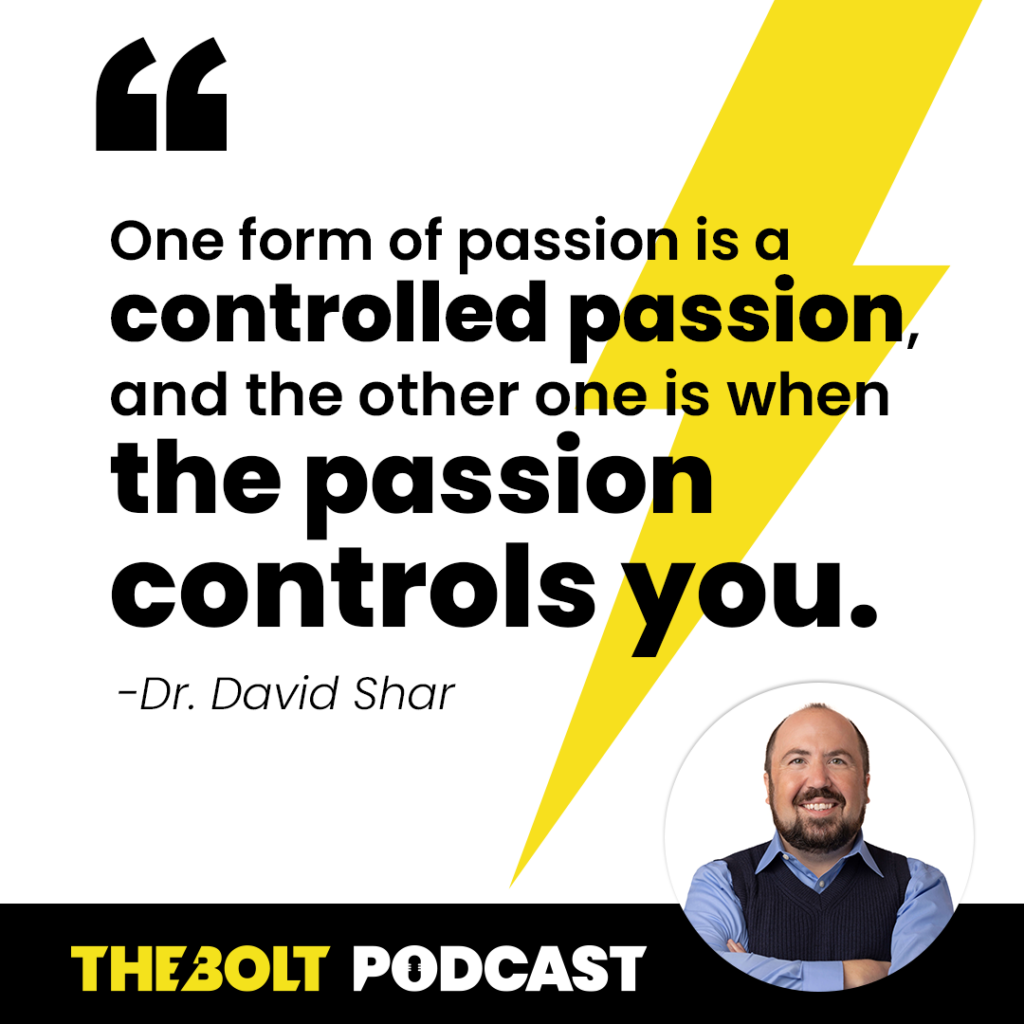
“One form of passion is a controlled passion, and the other one is when the passion controls you.”
— Dr. David Shar
“I tried to quiet quit, but I didn’t know how.”
— Research participant, quoted by Dr. David Shar
“We shouldn’t do it for the applause. We should do it for the impact.”
— Dr. David Shar
“If you don’t know when they’re lit up, how will you know when they’re not lit up?”
— Todd Bertsch
“It all starts with reflection, followed by some honest conversation.”
— Dr. David Shar
Episode Timestamps
- 04:26 – From ice cream entrepreneur to behavioral scientist
- 08:58 – How belonging and psychological safety create meaningful work
- 20:50 – SPARK vs. passion: Understanding what lights us up
- 23:43 – Harmonious vs. obsessive passion and the danger of overidentifying with work
- 30:18 – How healthy passion becomes unhealthy pressure
- 38:31 – Why your work shouldn’t define your entire identity
- 44:09 – Recognizing the warning signs of burnout and declining passion
- 53:27 – The KINDER Leader framework: Leading with heart and backbone
- 01:04:14 – Final reflections: What lights you up, and what’s dimming your light?
Harmonious vs. Obsessive Passion: When Loving Your Work Becomes Unhealthy
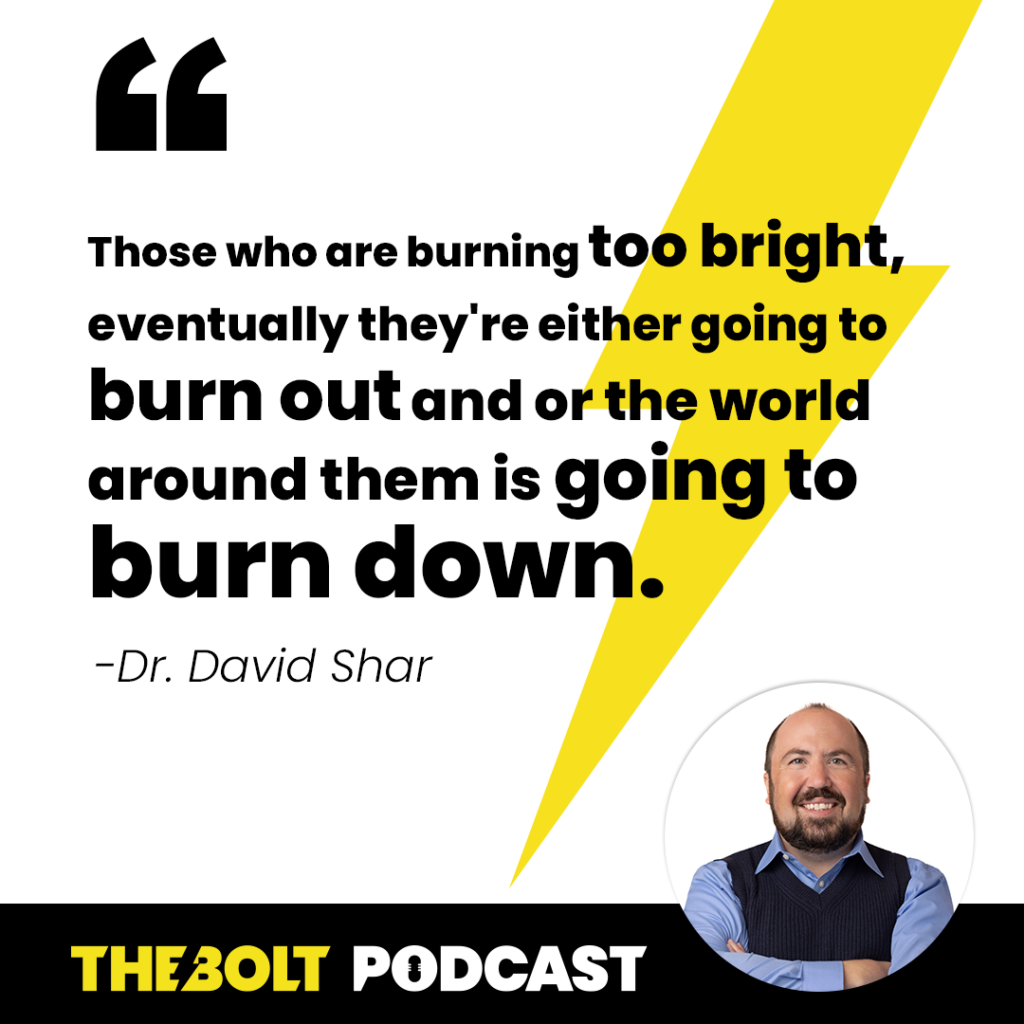
Not all passion is created equal. Drawing on psychological research, Dr. David Shar explains the difference between harmonious passion, which allows work to coexist with the rest of our lives, and obsessive passion, which can begin controlling our thoughts, behaviors, and identity.
People experiencing harmonious passion can pursue meaningful work while maintaining healthy boundaries. Those experiencing obsessive passion may feel guilt when stepping away, struggle to disconnect, or continuously push themselves to perform even when they’re exhausted.
David also discusses how workplace pressures, the need for validation, and an excessive focus on achievement can gradually transform something we once loved into something that drains us.
The lesson? Being passionate about your work isn’t the problem. It’s when your passion starts controlling you instead of fueling you that things can become unhealthy.
Why Passionate Employees Burn Out and How Leaders Can Protect Their Spark
Some of the most dedicated employees are also among those who may be silently struggling. They continue showing up, delivering results, and taking on responsibilities, even as their connection to the work begins to fade.
David’s research highlights two important contributors to declining work passion: excessive workload and a lack of growth opportunities. Both can leave employees feeling disconnected, undervalued, or stuck.
Through his KINDER Leader framework, David encourages leaders to move beyond simply being nice and instead demonstrate genuine kindness through honest feedback, accountability, meaningful development, and care.
Todd connects these insights to his Ignite Your Spark philosophy, emphasizing the importance of recognizing early smoke signals, interrupting autopilot, and creating space for curiosity, reflection, and intentional action.
For leaders, this starts with a simple but powerful practice: Know what lights your people up, understand what drains them, and have meaningful conversations before their spark begins to dim.
Resources and Books Mentioned
The following research, frameworks, tools, and resources were mentioned or referenced throughout this episode.
- The Dualistic Model of Passion — Robert J. Vallerand and colleagues. Research exploring harmonious and obsessive passion and their influence on behavior and well-being.
- KINDER Leader Framework — Dr. David Shar. A leadership development approach focused on creating kinder workplaces through genuine care, accountability, and employee growth.
- Illuminate PMC — Dr. David Shar’s leadership development, training, and consulting organization. Visit David’s website.
- Spark Quotient (SQ) Assessment — A self-assessment designed to help individuals reflect on their curiosity, mindset, and action.
- Ignite Your Spark / SPARK Framework — A personal and professional growth framework built around curiosity, mindset, and action.
- Positive Intelligence — Mental fitness training discussed by Todd as a way to strengthen self-command, resilience, and responses to stress.
- Growth Mindset — Carol Dweck. Research on how beliefs about learning, abilities, and development influence growth.
Frequently Asked Questions
What is the difference between harmonious and obsessive passion?
Harmonious passion allows people to pursue work they love while maintaining a healthy relationship with other aspects of life. Obsessive passion occurs when work becomes driven by internal pressure, validation, or a compulsive need to perform. Both involve strong dedication, but obsessive passion can make it difficult to establish boundaries and disconnect.
Why do passionate employees experience burnout?
Passionate employees often invest significant time, energy, and personal identity into their work. When excessive demands, limited growth opportunities, poor leadership, or a lack of recognition persist, that dedication can become a source of stress. David Shar’s research explores how these conditions contribute to declining work passion.
What are the warning signs that you’re losing passion for work?
Warning signs may include feeling guilty when not working, losing curiosity, becoming disengaged, noticing workplace frustrations more frequently, or feeling disconnected from the mission that originally inspired you. Recognizing these signals early creates an opportunity to reflect and make intentional changes.
How can leaders help employees maintain their passion for work?
Leaders can help by building trust, creating psychological safety, offering growth opportunities, providing honest and constructive feedback, and regularly checking in with employees. Understanding what motivates each person and recognizing when their energy begins to decline can help prevent disengagement and support healthier, more sustainable performance.
About Dr. David Shar
David Shar, PhD, SHRM-SCP, is a behavioral scientist, work passion researcher, and Lecturer in the University of Maryland’s Industrial/Organizational Psychology graduate program. His original research includes the first fully qualitative study of work passion decline… why passionate people fall out of love with their work, and what leaders can do before it’s too late. As founder of Illuminate PMC, David translates rigorous psychology into engaging keynotes, corporate training, and leadership development. Through his KINDER Leader framework, he challenges leaders to build a kinder kind of workplace… one with both heart and backbone, where passion can last. He lives in beautiful chaos in Baltimore with his wife, five kids, and their 225-pound English Mastiff, Groot.

Explore More Resources
Continue exploring practical tools, conversations, and frameworks designed to help individuals and organizations navigate change, strengthen mindset, and unlock sustainable growth.

Corporate Keynote Speaking
High-impact keynotes that challenge mindsets, spark meaningful conversations, and help leaders and teams navigate change and uncertainty with greater resilience, clarity, and intention.
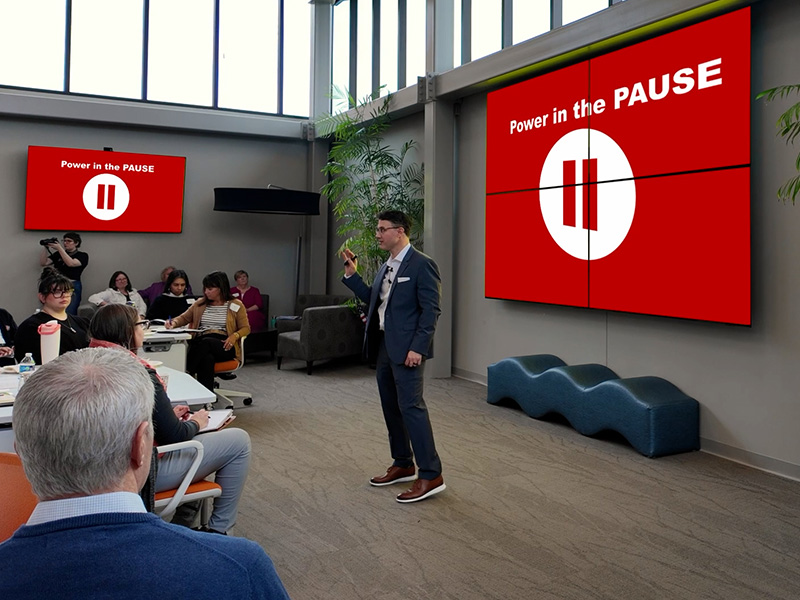
Mental Fitness Coaching
Interactive coaching programs built around the Positive Intelligence framework to help teams build the mental muscle to handle stress, shift perspective, and respond with intention instead of reaction.